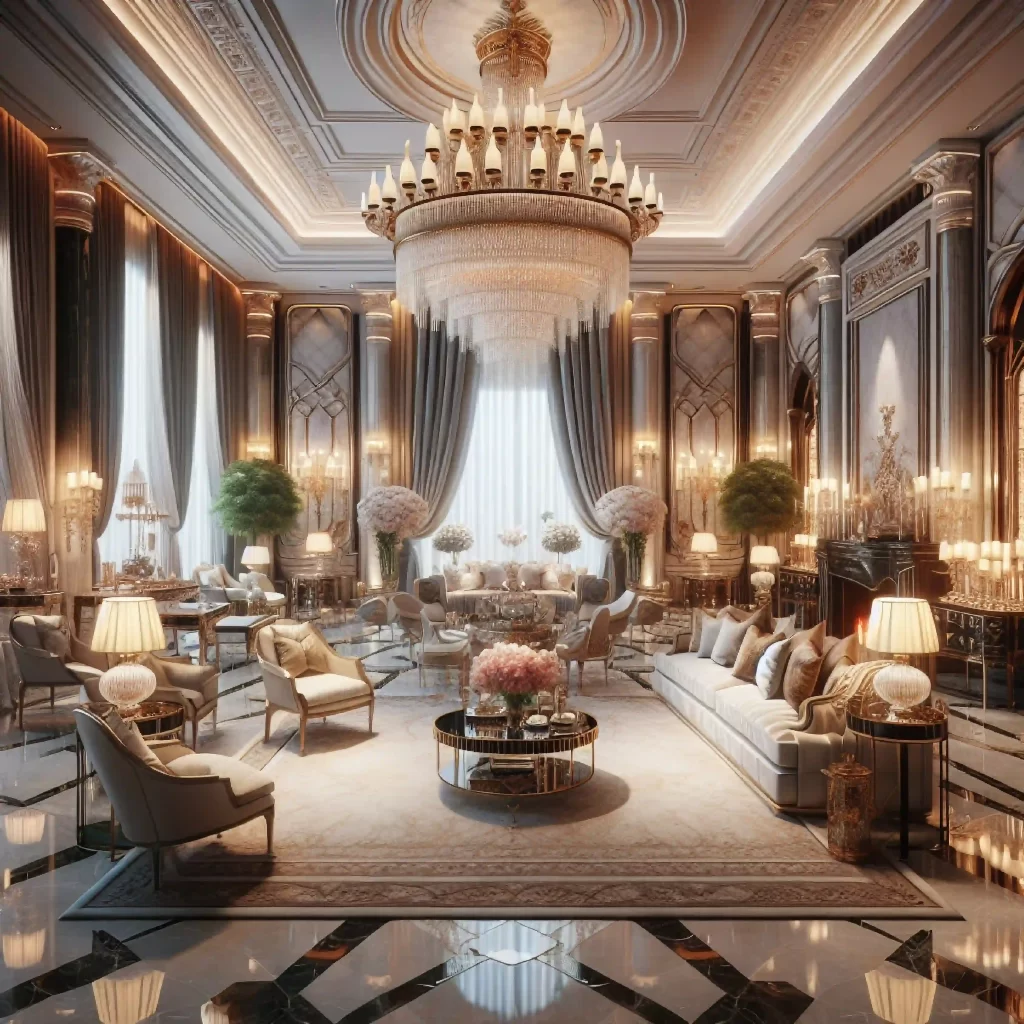
Luxury Living: Incorporating High-End Elements into Your Interiors
Luxury Living: Incorporating High-End Elements into Your Interiors Read More »

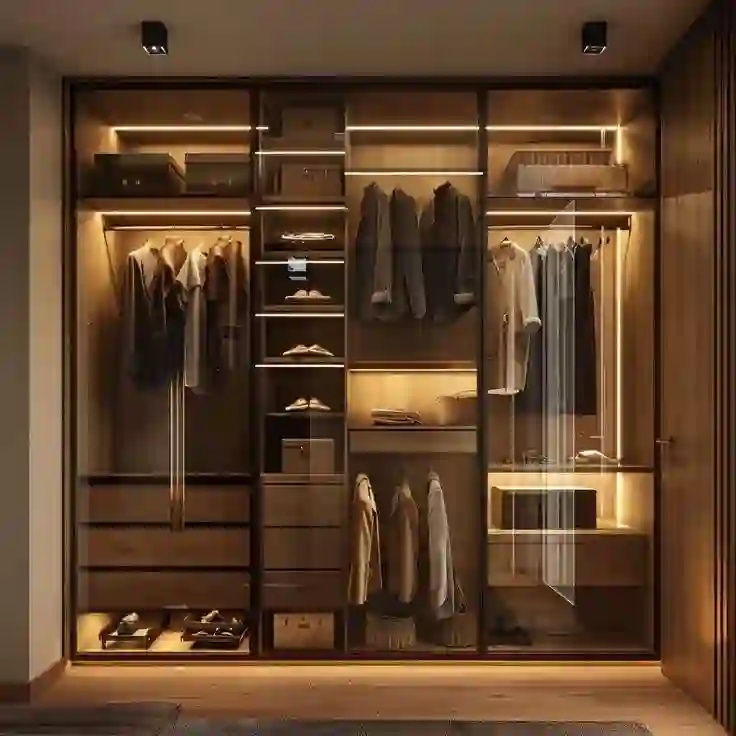
Types of Wardrobe Doors: Sliding, Hinged, Bi-Fold, and More Styles Explained Wardrobes are more than just storage—they set the tone for your bedroom’s style and functionality. And one element that plays a key role in this transformation? The wardrobe doors. From traditional hinged doors to sleek sliding panels, the types of wardrobe doors you choose can make or break your interior design. So, slide, swing, or fold? Let’s explore the most popular wardrobe door styles and find out which one matches your needs perfectly. Why Wardrobe Door Choice Matters Wardrobe doors are not just practical panels that conceal clothes—they influence the room’s ambience and usability. Aesthetic appeal – The right door style can enhance a room’s theme, whether it’s modern, rustic, or minimalist. Space efficiency – Certain designs work better in compact layouts, while others shine in spacious bedrooms. Practicality – Ease of access, durability, and maintenance are equally important. Sliding Door Wardrobe Design Among the most popular types of wardrobe doors, sliding doors are loved for their modern functionality. These doors glide on tracks and require no clearance space, making them perfect for small rooms. Customisation options include: Mirrored panels to make the room appear larger Glossy finishes for contemporary interiors Natural wood textures for a warm, elegant look If your goal is sleek design with space optimisation, sliding doors are a top choice. Pocket Door Design for Compact Wardrobes If space is at a premium, pocket doors are a clever solution. These slide into a hidden cavity in the wall, leaving your floor area completely free. Why choose pocket doors? They work brilliantly in narrow or compact rooms Create a clean, minimalistic look Perfect for homeowners who love unobstructed, streamlined designs Bi-Fold Wardrobe Door Design Bi-fold doors are a smart compromise between hinged and sliding doors. They fold neatly to one or both sides, requiring less floor space than hinged designs but still allowing wide access to your wardrobe. Key highlights: Easy to operate Versatile style that blends with modern or transitional interiors Great for medium-sized rooms where full swing clearance is an issue Pivot Wardrobe Doors If you want your wardrobe to double as a design statement, pivot doors are a striking option. Instead of swinging on side hinges, these rotate on a central pivot, giving them a modern architectural edge. Why go for pivot doors? They handle larger panels well Create a luxury look in designer interiors Offer a smooth, dramatic opening mechanism Classic Hinged Wardrobe Doors Sometimes, nothing beats the classic. Hinged wardrobe doors are the timeless option that continues to dominate home interiors. They swing outward, offering full access to the wardrobe. Pros: Simple to install and maintain Highly customisable (mirrors, panels, finishes) Ideal for spacious bedrooms Cons: Require clearance space Less practical for compact rooms Mirrored Wardrobe Doors Wardrobe + mirror = double utility. Mirrored doors are perfect for smaller bedrooms as they reflect light, making the space look larger. Advantages: Serve as both storage cover and full-length mirror Enhance brightness in the room Pair well with sliding or hinged mechanisms Glass Wardrobe Doors For a contemporary, airy feel, glass wardrobe doors (clear, frosted, or tinted) bring in modern elegance. Pros: Ideal for showcasing designer wardrobes Create a light, spacious vibe Easy to wipe clean Cons: Need regular maintenance for fingerprints Not suitable for messy wardrobes unless frosted/tinted Louvred Wardrobe Doors Need ventilation for fabrics? Louvred doors come with slatted panels that allow air circulation, keeping clothes fresh. Perfect for: Humid climates Linen or fabric-heavy wardrobes Rustic or coastal-themed interiors Barn-Style Wardrobe Doors Inspired by farmhouse aesthetics, barn doors slide along exposed tracks and bring a rustic, stylish vibe to bedrooms. Why they stand out: Unique, trendy appeal Great for vintage or industrial interiors Durable and bold in design Customisation Options for Wardrobe Doors Wardrobe doors can be tailored to match your exact interior goals. Options include: Materials – wood, laminate, aluminium, glass, or mirrors Finishes – glossy, matte, textured, or natural wood grain Hardware – handles, knobs, or even push-to-open systems Factors to Consider When Choosing Wardrobe Doors Before deciding, keep these factors in mind: Space availability – Smaller rooms benefit from sliding, pocket, or tambour doors Style goals – Modern, rustic, or traditional aesthetics dictate door choice Functionality – Frequency of use and ease of access matter Budget – Hinged doors are cost-effective, while pivot or barn styles are more premium Conclusion Wardrobe doors are more than functional panels—they’re design elements that define the style, flow, and efficiency of your space. From sliding and pocket doors that save space to pivot and barn doors that make a bold statement, there’s a perfect type for every interior. Your wardrobe should be as stylish as it is functional. The right door can make that happen. 1. Which wardrobe door is best for small bedrooms? Sliding, pocket, and tambour doors are excellent for compact spaces 2. Are sliding doors better than hinged doors? Sliding doors save space, while hinged doors offer full accessibility. The choice depends on your room size and style preference. 3. How do I maintain mirrored wardrobe doors? Clean with a glass cleaner and microfiber cloth regularly to keep them streak-free. 4. Can I mix two wardrobe door styles? Yes! Many modern wardrobes combine sliding with mirrored panels or hinged with glass inserts. 5. What is the most budget-friendly wardrobe door type? Hinged doors are typically the most cost-effective option, followed by bi-fold doors.
Types of Wardrobe Doors: Sliding, Hinged, Bi-Fold, and More Styles Explained Read More »
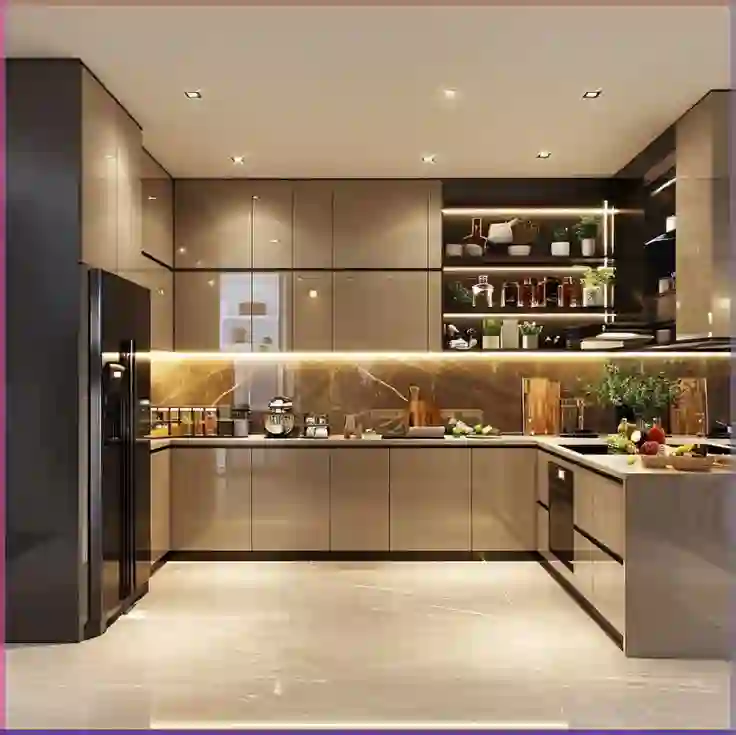
C-Shaped Kitchen Design: A Perfect Blend of Style, Space & Function | Biric Interior Explore the beauty of C-shaped kitchen design with Biric Interio. Discover functional, stylish, and space-savvy C shape modular kitchen ideas perfect for every home. C-Shaped Kitchen Design: A Perfect Blend of Style, Space & Functionality Looking to create a kitchen that’s not just good-looking but also incredibly practical? Enter the C-shaped kitchen design — the go-to layout that combines modern aesthetics with efficient space usage. Whether you’re working with a cosy apartment or a large home, this design adapts effortlessly while keeping everything within reach. Let’s dive into how a C shape modular kitchen can bring life, light, and flow into your home. What Exactly is a C-Shaped Kitchen Design? Picture this: countertops and cabinets flowing along three walls, wrapping around like a soft “C” and leaving one side open. This layout naturally forms an ergonomic triangle between your fridge, sink, and stove — creating a seamless cooking experience. Unlike other layouts like the galley or L-shaped kitchen, a C-shaped kitchen layout maximizes wall space, storage, and movement. Plus, it offers a defined zone that doesn’t require extra walls. It’s ideal if you: Want to make the most of corner space. Prefer a kitchen that feels immersive. Need a semi-open plan that doesn’t sacrifice storage or usability. Why Opt for a C Shape Modular Kitchen? Designers and homeowners love this layout for several reasons: ✅ Function Meets Flair Not only does it offer a smart workflow, but it also gives you space to play with modular kitchen design ideas— from sleek cabinetry to unique backsplashes. ✅ Ample Storage, Sorted Three walls = three opportunities. Pull-out trays, hidden storage, and corner solutions like lazy Susans make it ideal even for a small C-shaped kitchen design. ✅ Flexible & Modular Whether you’re upgrading or building new, this layout allows for easy adjustments — add or change units as per your evolving lifestyle. ✅ Make Space for a Breakfast Bar Transform one arm of your kitchen into a cozy C-shaped kitchen with breakfast bar— a practical spot for quick meals or coffee conversations. C-Shaped Kitchen Design Ideas You’ll Love Need inspiration? Here are a few fresh ideas curated by Biric Interio: Monochrome Elegance Clean lines, white cabinets, soft greys, and black accents — a timeless combo with modern appeal. Natural & Earthy Touches Warm wooden tones, bronze fittings, and open shelves create a homely, grounded vibe in your C shape modular kitchen. Bold Industrial Mood Dark finishes, exposed textures, and brass lighting add character to loft-inspired or contemporary homes. Tech-Ready Modern Kitchen Design Go smart with touch-open drawers, smart appliances, and voice-controlled lighting. Compact Yet Clever In a small C-shaped kitchen design, use reflective surfaces and vertical storage to keep the area open and organized. Key Factors to Plan Your C-Shaped Modular Kitchen Before choosing finishes and materials, here are a few practical things to consider: 1. Kitchen Dimensions A comfortable C-shaped kitchen layout typically starts at 10×10 feet. Smaller areas can benefit from wall-mounted or foldable units. 2. Work Triangle Efficiency The fridge, stove, and sink should form an efficient triangle — cutting down on unnecessary steps. 3. Let the Light In Natural light works wonders. Combine it with layered lighting for a kitchen that’s bright and functional all day long. 4. To Bar or Not to Bar If space allows, adding a breakfast bar adds functionality and seating. Just keep enough clearance (3–4 feet) for easy movement. 5. Material Matters Choose from quartz countertops, water-resistant laminates, or matte cabinetry to suit your lifestyle and upkeep needs. C-Shaped vs U-Shaped Kitchen: What’s the Difference? It’s easy to mix them up — but the distinction matters: A C-shaped kitchen typically leaves one side open, connecting effortlessly to a dining or living area. Perfect for open floor plans. A U-shaped kitchen encloses the user more and may feel restricted in compact spaces. How to Pick the Perfect Colour Scheme for Your Kitchen? The right palette brings the whole kitchen together: For a small C-shaped kitchen design, stick to light tones — whites, creams, or pale blues to open up the space. In larger kitchens, explore bolder shades like charcoal, navy, or even forest green. Ensure colours transition smoothly if your kitchen is connected to your living or dining room. Glossy finishes bounce light and create a modern vibe, while matte tones feel more grounded and cozy. Tips to Maximise Space in a C-Shaped Kitchen Even in limited square footage, a well-designed C-shaped layout can feel airy and efficient. Go Vertical: Floor-to-ceiling cabinets offer unmatched storage. Utilize Corners: Pull-outs, rotating shelves, and magic corners are game changers. Minimalist Hardware: Handleless cabinets keep the space clean and uncluttered. Light It Right: Reflective tiles and good lighting make a big difference. Integrated Appliances: Built-in ovens and smart fridges blend in seamlessly. Open Shelves: Ideal for essentials and a few decorative touches. Ready to Bring Your Dream Kitchen to Life? The C-shaped kitchen design is more than just a layout — it’s a lifestyle choice. One that supports your flow, reflects your style, and grows with your needs. Whether you’re designing from scratch or giving your current space a makeover, Biric Interio is here to help. Our team of experts will guide you through everything — from the best colour combos to the smartest storage ideas. 📞 Contact Biric Interio today and let’s build the kitchen that truly works for you!
C-Shaped Kitchen Design: A Perfect Blend of Style, Space & Function | Biric Interior Read More »
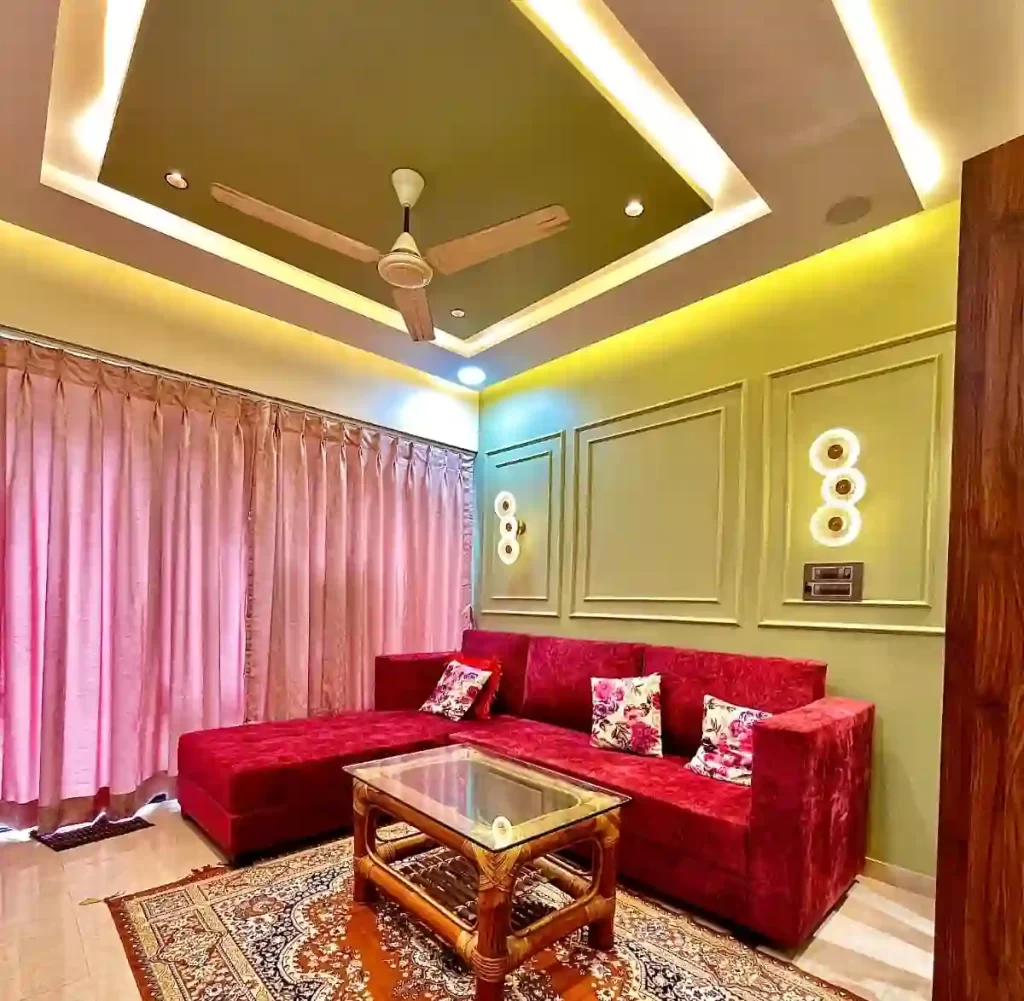
How to Design Your Living Room in 2025: Trendy Ideas & Complete Checklist Your living room is still the most viewed—and Instagrammed—space in the home. In 2025, it’s evolving into a sanctuary for wellness, self‑expression, and smart tech. Below you’ll find fresh living room interior ideas and a step‑by‑step checklist to turn inspiration into action. Top Living Room Design Trends in 2025 Want to give your living room a fresh and stylish look in 2025? Here are some of the latest interior design trends that are easy to try and look great in any home. 1. Warm & Earthy Colours Say goodbye to dull colours! In 2025, people are choosing warm tones like brown, terracotta, olive green, and rust orange. These colours make your space feel cozy and welcoming. 👉 Try This: Paint one wall in a warm colour or add cushions in earthy shades. 2. Nature Inside the Home Adding plants and natural elements like wood and stone is a big trend. It brings freshness and peace to your space. 👉 Try This: Keep 2-3 indoor plants near windows or add wooden shelves and furniture. 3. Bold Prints & Patterns Forget plain walls and furniture—stripes, checks, and floral designs are making a comeback. These patterns add life and personality to your living room. 👉 Try This: Use a printed rug, cushion covers, or wallpaper to make a statement. 4. Metallic Touches Adding a little shine can make your living room look modern. In 2025, people love using metal finishes like gold, silver, and copper in small details. 👉 Try This: Choose metal legs for your table or shiny lamp stands. 5. Dark Wood Furniture Dark wood like walnut or mahogany is back in style. It gives your living room a classy and rich feel. 👉 Try This: Add a dark wood coffee table or TV unit to your setup. 6. Flexible Seating Instead of a fixed sofa set, go for modular or L-shaped sofas that can be moved and changed easily. This makes your room more comfortable and useful. 👉 Try This: Buy a sofa with moveable pieces or add a stylish lounge chair. 7. Smart Home Features Use technology to control lights, fans, and music with your phone or voice. It’s easy to use and keeps your space neat. 👉 Try This: Install smart bulbs or hidden speakers for a clean look. 8. Reuse and Recycle More people now want to decorate their homes without wasting money or harming the planet. So they are reusing old furniture and going for eco-friendly options. 👉 Try This: Paint and reuse an old chair or table instead of buying a new one. Living Room Interior Design Checklist (2025 Edition) Designing a beautiful living room can feel confusing, but don’t worry—we’ve made it super easy for you! Just follow this simple step-by-step checklist to create a stylish and comfortable space in 2025. ✅ 1. Decide the Purpose of Your Living Room Think about how you want to use your living room. Is it for relaxing and watching TV? For hosting guests? Or for your kids to play? Knowing this will help you plan better. ✅ 2. Plan the Space Make sure your furniture doesn’t block walking paths. Keep enough space between the sofa, table, and walls. 👉 Tip: Draw a simple layout on paper before buying anything. ✅ 3. Choose a Colour Theme Pick 2–3 colours that match well. Use one main colour, one for furniture, and one for small things like cushions and décor. 👉 Popular in 2025: Olive green, beige, terracotta, and dark wood. ✅ 4. Select the Right Furniture Start with the main items: sofa, coffee table, and TV unit. Make sure everything fits well and doesn’t make the room look crowded. 👉 Tip: Buy a sofa with storage if you need extra space. ✅ 5. Add Layers of Lighting Use different types of lights to make your living room bright and beautiful: Ceiling lights for overall lighting Table/floor lamps for reading LED strip lights for decoration ✅ 6. Mix Textures and Fabrics Use different materials like soft cushions, wool rugs, and wooden tables. This makes the room feel rich and cozy. ✅ 7. Decorate the Walls Don’t leave walls empty. Hang art, family photos, or stylish clocks to add personality. 👉 Idea: Make a small gallery wall with photo frames. ✅ 8. Keep It Clutter-Free with Storage Choose furniture that has built-in storage like ottomans or cabinets. It helps keep your room clean and organized. ✅ 9. Add Plants and Greenery Indoor plants make the space feel fresh and calm. Even 2-3 small plants can make a big difference. ✅ 10. Do a Final Look Step back and see how your room looks. Is there too much furniture? Are the colours working well? Is the space comfortable? Make small changes until everything feels just right. Q1. What color is trending for living room design in 2025? Deep, earthy hues such as Cinnamon Slate and walnut brown dominate, balanced with muted greens. Q2. How can I decorate my living room on a low budget? Prioritize paint, second‑hand wood furniture, and statement lighting—high impact, low cost. Q3. What’s the difference between living room interior and living room décor? Interior design covers layout, architecture, and permanent finishes; décor involves movable accents like rugs and art Q4. How much does a professional living room interior design cost in 2025?< In India, a turnkey living‑room interior design averages ₹1,500–₹2,500 per sq ft, furniture excluded.
Living Room Design 2025: Trendy Interior Ideas, Decor Tips & Complete Checklist Read More »